Published Oct 22, 2024 · Updated Aug 18, 2026
B2B Paid Media ExecutionWhat Is Omnichannel Marketing? An Agency Framework
Omnichannel marketing connects search, social, content, email, CRM, and sales around one buyer journey. Learn how agencies plan and measure it.
Published by EIC Agency
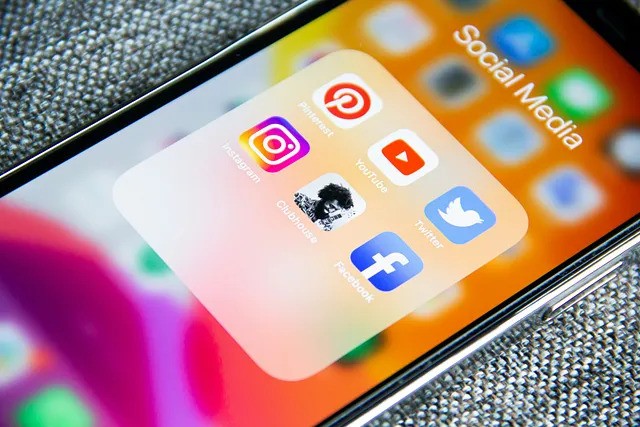
Omnichannel marketing coordinates messages, experiences, and measurement across the channels a buyer uses before, during, and after a purchase. The goal is not to place the same ad everywhere. It is to give each channel a clear role while preserving a coherent customer journey.
For agencies, omnichannel execution requires shared audience definitions, message planning, landing experiences, CRM stages, and reporting. Buying media on several platforms without that coordination is multichannel activity, not an omnichannel system.
Omnichannel versus multichannel marketing
A multichannel plan uses more than one channel. Search, social, email, and content may each run successfully but operate with separate goals and reporting. An omnichannel plan connects those activities around the same buyer, business objective, and next step.
The distinction matters because buyers rarely follow a straight path. Someone may first see a social ad, search the brand later, read a case study, return through email, and then speak with sales. No single platform view describes the complete journey.
Assign every channel a job
- Paid search: capture declared problems, categories, and high-intent comparisons.
- Paid social and video: build familiarity, distribute useful ideas, and show varied proof.
- Organic content: answer durable questions and support deeper evaluation.
- Email and CRM: continue the conversation with known contacts and record lifecycle movement.
- Retargeting: sequence proof and objections based on demonstrated interest.
- Sales: validate fit, capture objections, and report opportunity outcomes.
Channel roles should follow the audience, offer, and buying process. A plan does not become omnichannel merely because every available platform receives budget.
Build a shared message system
Create a message map that covers problem recognition, education, proof, implementation, risk, and action. Then adapt those ideas to each channel's format and audience context. The language can change while the underlying promise remains consistent.
Use destination pages that match the message. A broad educational ad should not force an immediate sales pitch, and a high-intent service search should not land on an unrelated podcast article.
Connect identity and measurement carefully
Use approved UTM parameters, platform click identifiers, CRM fields, and first-party events to preserve source context where practical. Keep platform-attributed outcomes separate from CRM-confirmed leads, opportunities, and revenue. Reconcile the systems instead of promising a perfect match.
Privacy choices, cross-device behavior, offline conversations, and untagged return visits mean attribution will remain incomplete. Agencies should explain confidence and alternative causes rather than assign every result to the last visible click.
Use stage-specific success metrics
- Qualified attention: engaged visits, useful content consumption, and repeat sessions.
- Evaluation: case-study views, service-page visits, return behavior, and demo-page interest.
- Conversion: completed forms or bookings that pass validation.
- Business outcomes: sales acceptance, opportunities, customers, revenue, and margin where available.
A 30-second engaged visit can be a valid stage event without being labeled a lead. Keeping stages distinct makes optimization and client reporting more credible.
How agencies should launch an omnichannel test
- Choose one audience, business objective, and offer.
- Map the journey and assign each channel a role.
- Create a bounded set of messages and proof.
- Verify landing pages, tracking, CRM stages, and follow-up.
- Launch with enough budget for each test cell to produce evidence.
- Review complete periods and annotate material changes.
- Scale only the combinations that contribute useful business signals.
Explore the B2B omnichannel paid media playbook, continue with the search-to-social framework, or review EIC's white-label delivery model.
White-label paid media